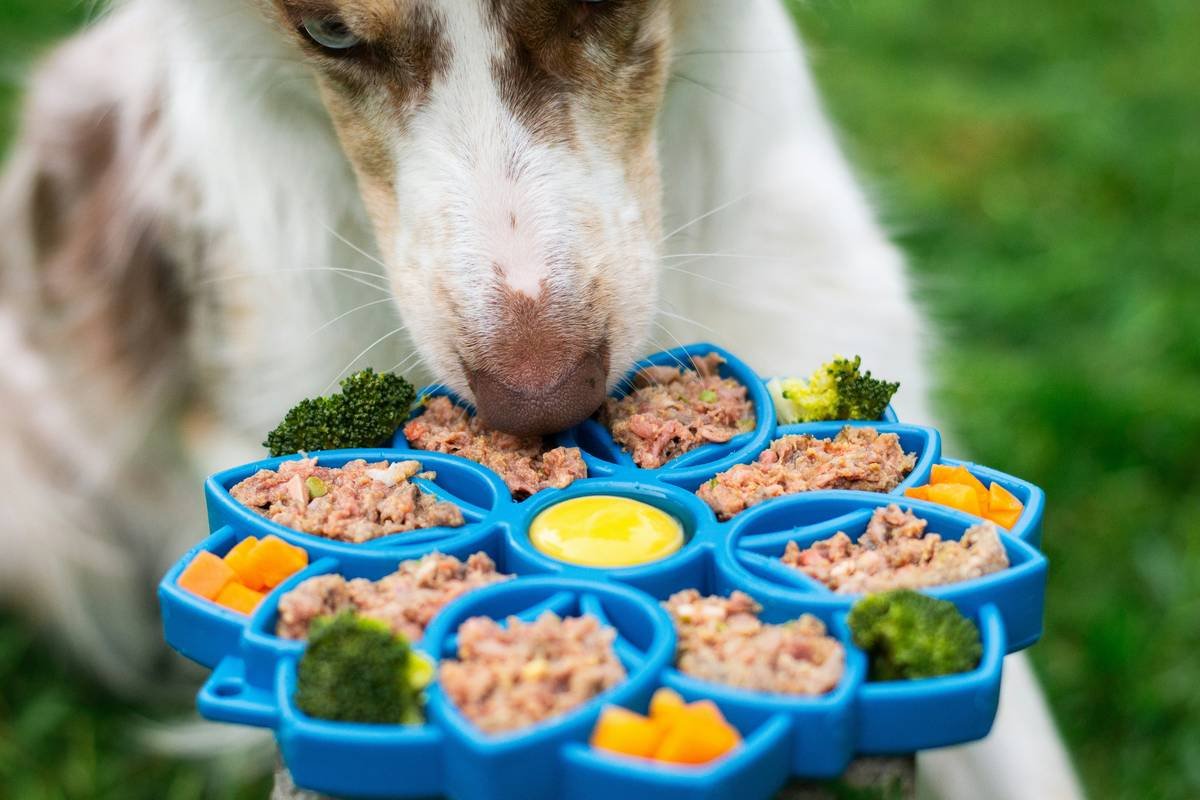
Ever wondered if your pet’s activity level directly impacts their nutrition needs? You’re not alone. As someone who once fed my golden retriever the same kibble regardless of whether he was chasing squirrels or lounging on the couch, I learned the hard way—poor “nutrition-activity sync” can lead to weight gain, lethargy, and health issues.
In this guide, we’ll dive deep into mastering pet nutrition activity sync, a game-changing approach to tailoring your pet’s diet based on their daily activity levels (hint: it’s easier than you think). By the end, you’ll know how to pick the right tools, plan meals like a pro, and maybe even laugh at some rookie mistakes along the way.
Table of Contents
- Why Is Pet Nutrition Activity Sync Important?
- Step-by-Step Guide to Mastering Pet Nutrition Activity Sync
- Top Tips for Success
- Real-Life Examples: When Pet Nutrition Meets Tech
- FAQs About Pet Nutrition Activity Sync
Key Takeaways
- Pet nutrition must align with physical activity to maintain optimal health.
- Activity monitors are essential tools for tracking your pet’s movement and adjusting diets accordingly.
- Tailor meals using data insights from apps and accessories designed for pets.
Why Is Pet Nutrition Activity Sync Important?
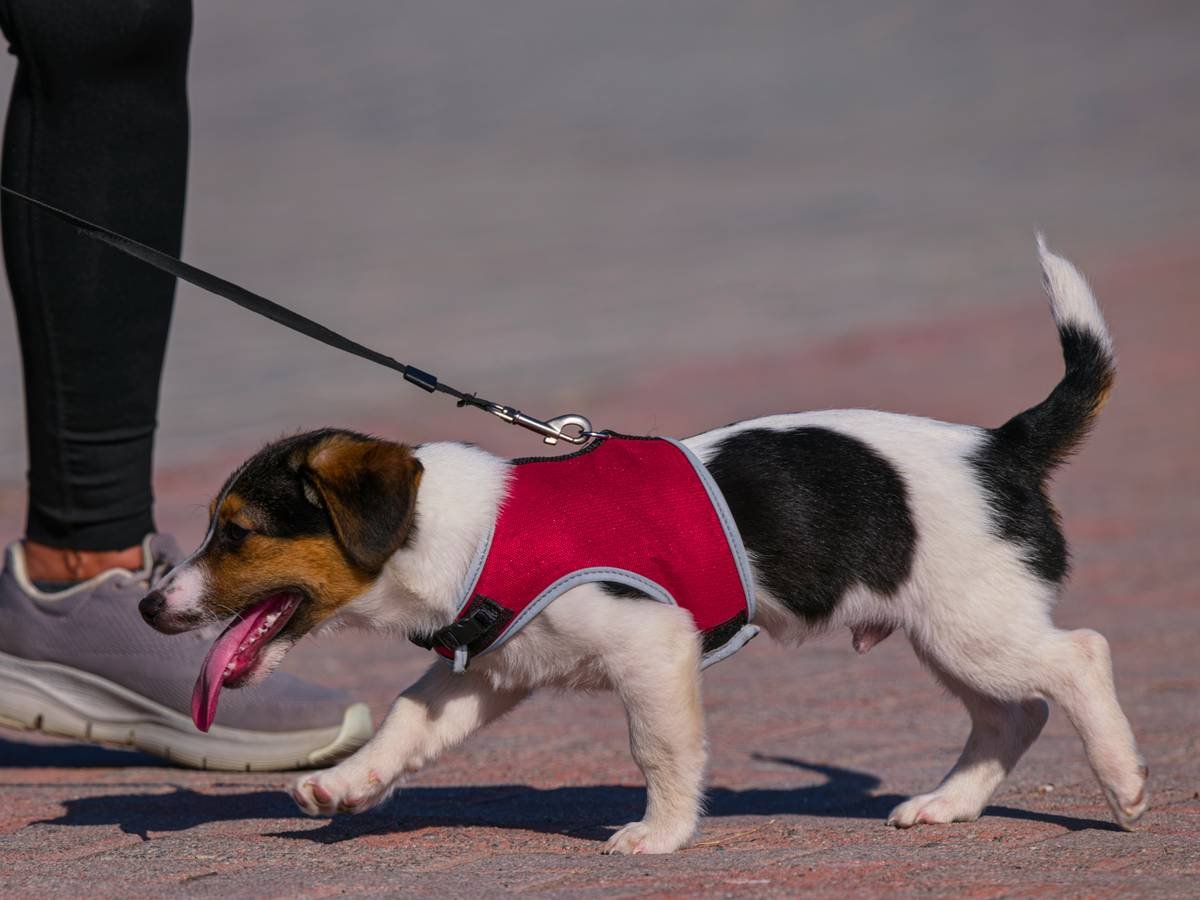
Imagine feeding your pup after they’ve run five miles versus after they’ve napped all day—you’d offer vastly different portions, right? That’s where pet nutrition activity sync comes in. Studies show that over 50% of household pets suffer from obesity due to mismatched diet and exercise habits. Yikes.
I personally made this mistake when my lazy house cat gained three pounds because I kept giving him treats despite his sedentary lifestyle. Spoiler alert: He did NOT appreciate being put on a diet later!
Optimist You: “I’ll just eyeball portion sizes!”
Grumpy You: “Ugh, fine—but only if coffee’s involved.”
Step-by-Step Guide to Mastering Pet Nutrition Activity Sync
Step 1: Choose the Right Activity Monitor
The market is flooded with options, but prioritize features like GPS tracking, waterproof design, and compatibility with nutrition apps. Brands like Whistle and FitBark dominate this space for good reason—they’re reliable and tech-smart.
Step 2: Track Daily Activity Levels
Sync these devices to your phone app and let them do the heavy lifting. Look for metrics like calories burned, steps taken, and active minutes. If your dog spends more time sniffing bushes than sprinting, their food intake should reflect that.
Step 3: Adjust Meals Based on Data Insights
Here’s where science meets snacking. Use the insights from your pet’s activity monitor to tweak meal plans. For instance, high-protein snacks post-workout sessions could mimic human fitness routines, boosting recovery and performance.
Top Tips for Success
- **Don’t Guess Portion Sizes:** Use a digital scale to measure out exact portions.
- **Invest in Quality Kibble:** Cheaper brands often lack nutrients needed for active lifestyles.
- **Avoid Over-Treating:** Limit treats to no more than 10% of your pet’s total caloric intake.
- **Stay Consistent:** Regular monitoring helps identify patterns quickly.
A Brutal Rant:
Okay, let me rant for a second. Why do so many companies market pet products without considering actual nutritional science? Some gimmicky toys claim to “boost metabolism” when all they do is frustrate your poor fur baby. Save your cash unless it comes highly recommended by vets or has solid reviews backed by real pet parents.
Real-Life Examples: When Pet Nutrition Meets Tech
Meet Bella, a rescue greyhound whose energy soared after switching to a nutrient-dense wet food paired with precise activity tracking via her FitBark device. Her owner saw a noticeable improvement within weeks, proving that syncing diet and activity isn’t just hype—it works.
FAQs About Pet Nutrition Activity Sync
What Exactly Is Pet Nutrition Activity Sync?
It’s the practice of adjusting your pet’s food intake based on their daily physical activity levels, ensuring balanced energy consumption.
Do All Pets Need This?
Nope! Couch potatoes might get away with standard diets, but active breeds or working dogs absolutely benefit from tailored nutrition.
Can I Skip the Gadgets?
Sure, technically. But remember, humans suck at estimating stuff—even professional trainers admit to misjudging calorie counts.
Conclusion
Syncing your pet’s nutrition with their activity levels doesn’t have to feel overwhelming. Start small—grab a reliable activity monitor, analyze the data weekly, and adjust meals as needed. With consistency, both you and your furry friend will see incredible results.
And now, a little nostalgia bomb: Like a Tamagotchi, your pet’s wellness needs daily care—so don’t drop the ball!