
“Why does my pet monitor say my cat ran a marathon last night?”
If you’ve ever stared at your activity tracker, wondering why it claims your couch potato pup is an ultramarathon runner, you’re not alone. Pet owners everywhere are grappling with the growing world of pet technology—activity monitors included. But here’s the kicker: inaccurate data can lead to misinformed decisions about our pets’ health. Worry no more! This guide will dive into pet monitor data accuracy, helping you understand the problem, choose the right tools, and interpret results like a pro.
Table of Contents
- What’s Wrong With My Pet Monitor?
- How to Ensure Pet Monitor Data Accuracy
- Top Tips for Better Monitoring
- Real-Life Case Studies
- FAQs About Pet Activity Monitors
Key Takeaways
- Pet monitors can be wildly inaccurate if not used correctly or calibrated properly.
- Finding high-quality gear that suits your pet’s size and lifestyle is crucial.
- Human error often plays a role in skewed data interpretation.
- Monitoring trends over time is far more valuable than obsessing over single-day stats.
What’s Wrong With My Pet Monitor? Understanding Inaccuracy Issues
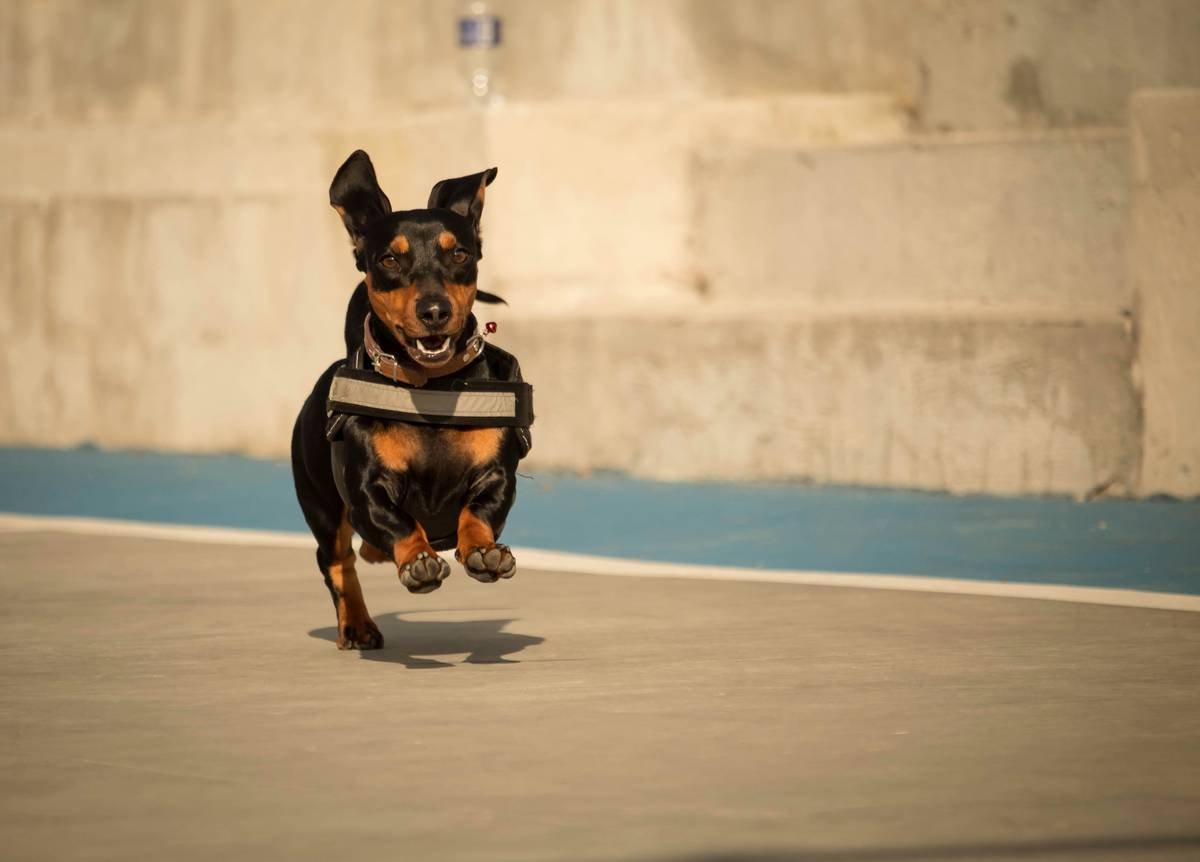
Let me confess something embarrassing. I once strapped a pet monitor onto my Chihuahua mix, convinced she was secretly training for agility competitions during her naptime escapades. Spoiler alert: She wasn’t. Instead, the device told me she’d walked 15 miles overnight. What happened? Was this some sort of canine sleepwalking phenomenon?
Turns out, I had positioned the tracker incorrectly—it slipped around her tiny waistline, confusing every step count. That’s when I learned just how vital placement, calibration, and understanding limitations are when using these devices. And trust me, bad readings happen all the time.
Common Culprits:
- Incorrect Placement: Strapping sensors too loosely or in awkward spots distorts movement tracking.
- Algorithm Limitations: Not all monitors can differentiate between shaking and sprinting.
- Battery Malfunctions: Devices running low on power may miss critical data points entirely.
How to Ensure Pet Monitor Data Accuracy
Optimist You: “Just slap on the tracker, and voila!”
Grumpy Me: “Yeah, okay, but first read this guide.”
Here’s a step-by-step walkthrough to get accurate insights from your pet’s activity monitor:
Step 1: Choose the Right Monitor
- Research sensors designed specifically for your pet’s species (dogs vs. cats).
- Pick one tailored to their size; small breeds need compact models.
Step 2: Calibrate Carefully
- Follow manufacturer instructions religiously.
- Enter specifics such as age, weight, breed, and baseline activity level.
Step 3: Place It Properly
- Secure the tracker snug against the collar or harness—not dangling freely.
- Ensure there’s minimal room for slippage.
Step 4: Regular Maintenance
- Check battery levels weekly.
- Keep firmware updated through companion apps.
Top Tips for Better Monitoring
Now let’s talk practical hacks. These tips are chef’s kiss for turning chaotic numbers into meaningful metrics:
- Start Small: Test the device indoors before taking it outdoors where variables multiply.
- Track Trends, Not Peaks: One anomalous “marathon” isn’t worth stressing over—but consistent upticks in energy could signal improved fitness.
- Cross-Reference: Combine tech data with vet checkups for a holistic view of wellness.
- Avoid Water: Unless explicitly waterproof, keep electronics away from pools, baths, and heavy rain.
TERRIBLE TIP DISCLAIMER: Don’t try duct-taping the unit directly to your pet’s fur. Yes, someone probably did this. No, it didn’t end well.
Real-Life Case Studies
Meet Max, the Labrador who taught his owner Sarah everything they know about monitor accuracy. At first glance, Sarah thought Max was lethargic because his app reported only 1,000 daily steps. Worried, she consulted their veterinarian, who suggested recalibrating based on Max’s true stride length. After adjusting, Sarah discovered Max averages closer to 6,000 steps—a perfectly healthy range.
This scenario illustrates two things:
- Activity monitors aren’t perfect.
- Pairing tech with professional advice prevents panic (and unnecessary vet visits).
FAQs About Pet Activity Monitors
Q: How do I know which pet activity monitor is most accurate?
A: Look for reviews citing clinical studies or validation tests by third parties. Brands transparent about testing methods tend to deliver better accuracy.
Q: Can cats use activity monitors effectively?
A: Absolutely! Though fewer options exist compared to dogs, cat-specific trackers track vertical movements (jumping/climbing), offering unique insights into feline lifestyles.
Q: Do GPS features improve data quality?
A: Only marginally. While useful for location tracking, GPS doesn’t inherently enhance step counting or behavioral analysis precision.
Conclusion
In summary, maximizing pet monitor data accuracy requires a mix of smart shopping, proper maintenance, and realistic expectations. Remember, even top-tier gadgets have flaws—but armed with knowledge and patience, you’ll unlock deeper insights into your furry friend’s habits and health.
Final note: Like a Tamagotchi, your pet tech thrives on care and attention. So grab that coffee, strap on that tracker, and start mastering the art of pet analytics today!