
meta_description: Keep your furry escape artist safe with a GPS tracker. Discover the best options and tips for pet safety.
Table of Contents
Introduction
Ever found yourself frantically searching every nook and cranny of your neighborhood, calling out your pet’s name, only to find them nonchalantly napping in a neighbor’s flower bed? Yeah, we’ve been there too. If you’re the proud owner of an escape-prone pet, a GPS tracker for escape prone pets might just be your new best friend. In this post, you’ll learn why a GPS tracker is essential, how to choose the right one, and some tips to make the most of it.
Key Takeaways
- Understand the importance of a GPS tracker for escape prone pets.
- Learn how to choose the right GPS tracker for your pet.
- Get actionable tips for using and maintaining your GPS tracker.
- See real-world success stories and case studies.
The Problem with Escape Prone Pets
A pet that loves to explore can be both a joy and a constant worry. According to a recent study, about 30% of lost pets are never found. Imagine the stress and heartache of losing your beloved furry friend. A GPS tracker for escape prone pets can provide peace of mind and help you quickly locate your pet if they go missing.
How to Choose the Right GPS Tracker
Choosing the right GPS tracker for escape prone pets can be overwhelming with so many options available. Here’s a step-by-step guide to help you pick the perfect one.
Step 1: Determine Your Pet’s Needs
Optimist You: “Consider your pet’s size, activity level, and where they spend most of their time.”
Grumpy You: “Ugh, fine—but don’t forget to check if it’s waterproof and durable. Last thing you need is a broken tracker after the first dunk in the pond.”
Step 2: Check the Battery Life
Optimist You: “Look for a GPS tracker with a long battery life.”
Grumpy You: “Yeah, because nothing’s worse than a dead tracker when your pet decides to go on an adventure without you.”
Step 3: Test the Tracking Range and Accuracy
Optimist You: “Make sure the GPS tracker has a wide range and accurate location tracking.”
Grumpy You: “And don’t trust those fancy claims. Test it out yourself before you fully commit.”
Step 4: Consider the App and Notifications
Optimist You: “Choose a tracker with a user-friendly app and reliable notifications.”
Grumpy You: “You want something that’s easy to use and doesn’t send you a million useless alerts. Trust me, your phone battery will thank you.”
Tips and Best Practices for Using GPS Trackers
- Regularly Charge the Device: Keep the tracker charged at all times. It’s as important as charging your own phone.
- Check the Fit: Make sure the tracker fits your pet comfortably. A loose or ill-fitting device can easily fall off.
- Update the App Regularly: Keep the app updated to ensure you have the latest features and bug fixes.
- Set Up Geofencing: Use geofencing to create virtual boundaries and get alerts if your pet leaves a designated area.
- Carry a Backup: For added security, consider having a backup method of identification, like a microchip or ID tag.
Terrible Tip Disclaimer: Don’t bother setting up geofencing. Let your pet roam free and deal with the consequences later. (Please, don’t do this!)
Real-Life Success Stories
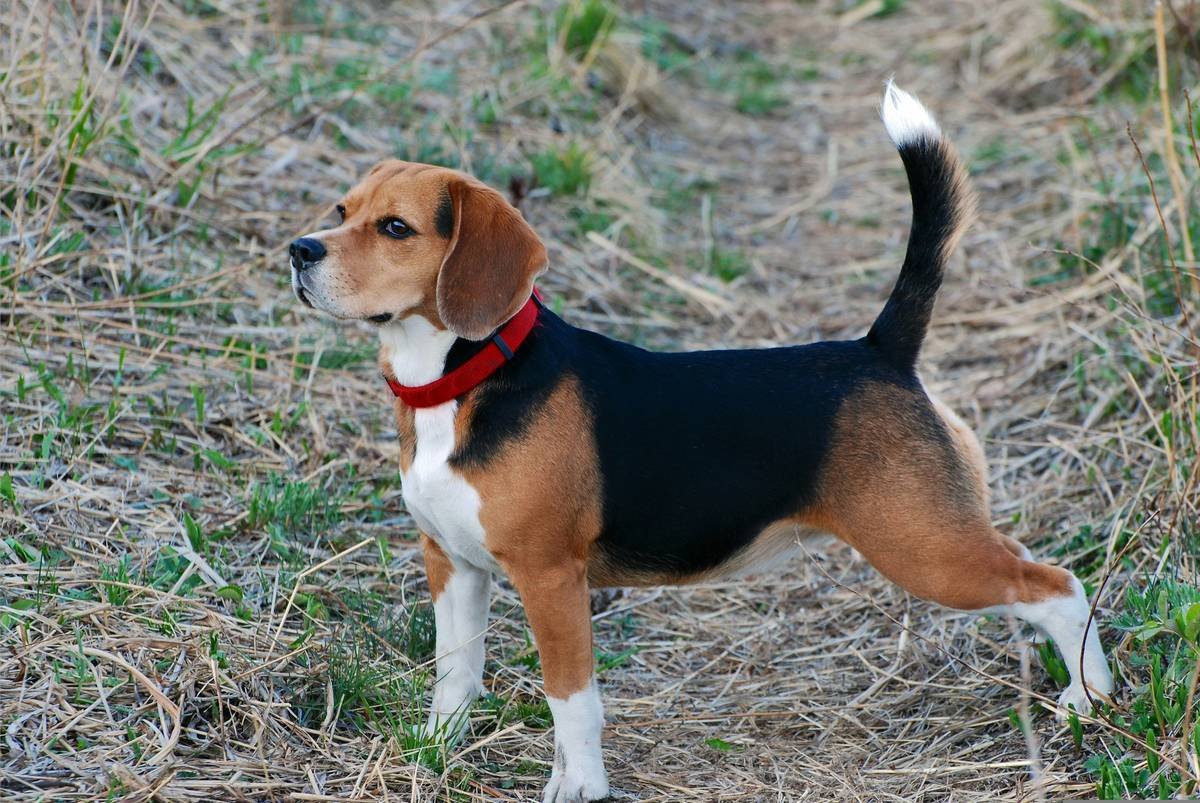
Case Study: Bella the Beagle
Bella, a beagle known for her adventurous spirit, used to escape her backyard at least once a week. After her owners installed a GPS tracker for escape prone pets, they were able to locate her within minutes each time she went on an unsupervised adventure. The tracker not only helped them find Bella faster but also gave them peace of mind knowing they could always keep an eye on her.
FAQs
How does a GPS tracker for escape prone pets work?
A GPS tracker uses satellite signals to pinpoint the exact location of your pet. This information is then sent to an app on your smartphone, allowing you to track your pet’s movements in real-time.
Are GPS trackers for pets expensive?
The cost of a GPS tracker varies depending on the brand and features. Generally, they range from $50 to $200, plus a monthly subscription fee for the service.
Can I use a GPS tracker for any type of pet?
Yes, GPS trackers are designed for a variety of pets, including dogs, cats, and even smaller animals like rabbits. Just make sure to choose a model that fits your specific pet’s needs.
Conclusion
Keeping your escape-prone pet safe and secure is a top priority. A GPS tracker for escape prone pets is a valuable tool that can give you peace of mind and help you quickly locate your furry friend if they go missing. By following our tips and best practices, you can ensure that you choose the right GPS tracker and use it effectively.
Like a Tamagotchi, your pet’s safety needs daily care. Stay vigilant and enjoy the adventures with your furry companion!