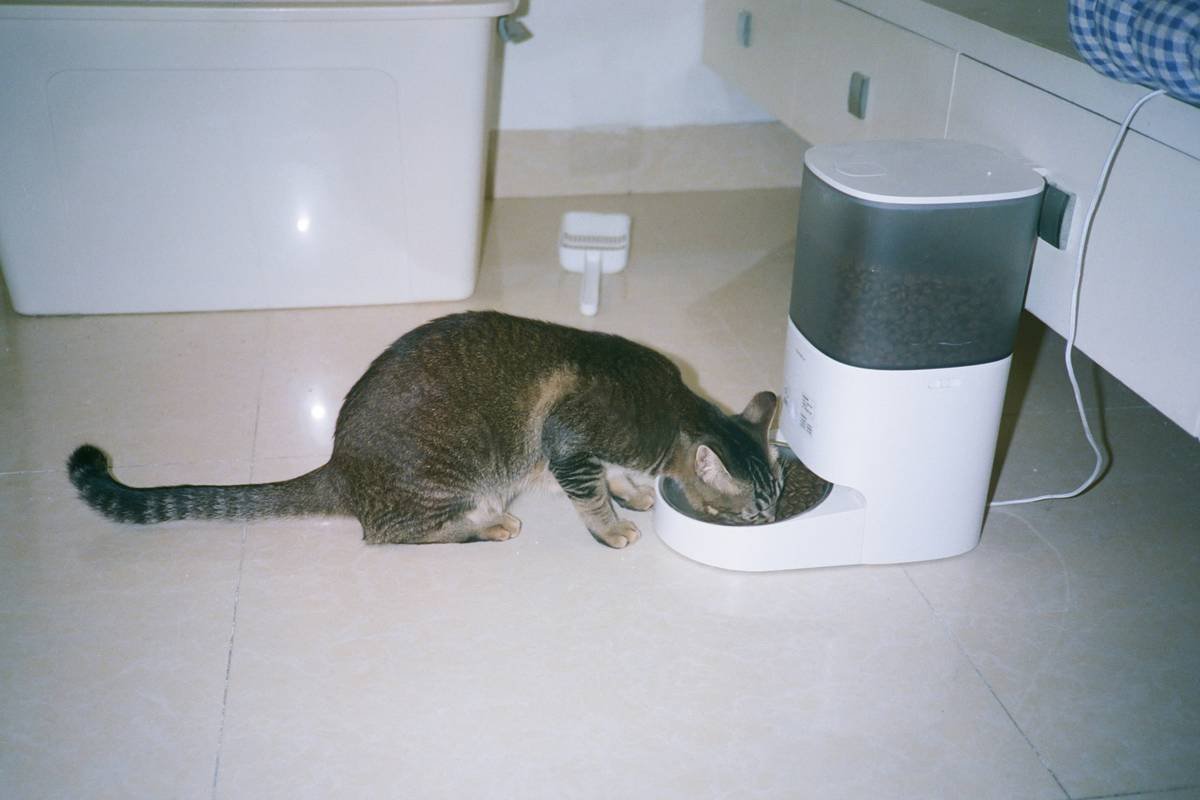
Ever wondered if someone could hack into your pet monitor to spy on your furry friend‘s daily antics? Yeah, it’s creepy—and more common than you think. According to cybersecurity experts, unencrypted pet monitors are a growing target for hackers. So, what do you need to know to keep your pet’s data safe without turning into an IT professional? Don’t worry—we’ve got the answers.
In this guide, we’ll break down everything about pet monitor data encryption. You’ll learn why encryption matters, how to pick secure devices, and what tips will help you safeguard your pet’s digital life. Because let’s be honest: your dog deserves their privacy too!
Table of Contents
- Why Encryption Matters for Pet Monitors
- Steps to Choose Secure Activity Monitors
- Best Practices for Using Encrypted Pet Monitors
- Real-World Examples of Encryption Fails (And Wins)
- FAQs About Pet Monitor Data Encryption
Key Takeaways
- Pet monitor data encryption protects sensitive information from being intercepted by hackers.
- Not all activity monitors come with robust encryption—buy wisely!
- Small mistakes like weak passwords can leave your pet’s data vulnerable.
- Encryption isn’t just tech jargon; it’s peace of mind for pet owners.
Why Does Pet Monitor Data Encryption Even Matter?
You might not realize this, but when your cat dashes around the house at 4 a.m., that movement is often recorded as data points sent through Wi-Fi or Bluetooth. This means there’s potentially juicy info floating around about your pet’s habits, health stats, and sometimes even live video feeds.
Here’s where things get shady. Without proper pet monitor data encryption, bad actors (yes, hackers) can intercept this data. Imagine someone snooping on your pup during nap time or worse—using GPS coordinates embedded in the app to figure out when no one’s home. Creepy AF, right?
How to Pick Secure Activity Monitors (Without Losing Your Mind)
Optimist You: “I’ll buy the first cool-looking gadget I find!”
Grumpy You: “Ugh, fine—but only after you check its security features.”
To avoid wasting cash on insecure tech, follow these steps:
Step 1: Check Encryption Standards
Fancy terms like AES-256 sound intimidating, but they’re basically gold stars for encryption strength. Always opt for brands that explicitly mention encryption methods.
Step 2: Read Reviews Carefully
One star buried under glowing reviews may reveal glaring flaws. Pay attention to mentions of “unreliable connections” or “privacy concerns.”
Step 3: Prioritize Devices with App Security Features
A solid pet monitor should pair with apps offering two-factor authentication (2FA), biometric logins, or PIN protection. Bonus points if updates happen automatically!
Tips for Maximizing Your Pet Monitor’s Security
Ready to become a pro at locking down your pet’s data? Here are some actionable best practices:
- Use Strong Passwords: No, “Pawsword123” doesn’t count. Mix uppercase letters, symbols, and numbers.
- Enable Automatic Updates: Firmware updates patch vulnerabilities, so don’t skip them.
- Limit Network Access: Set up a guest network for IoT devices instead of connecting directly to your main Wi-Fi.
- Disable Unused Features: If geolocation tracking isn’t crucial, turn it off entirely.
Rant Section Alert: Can we talk about companies selling cheap knockoff monitors? Some claim to offer “bank-level encryption” while having zero actual safeguards. It’s infuriating because pets deserve better than budget-bin tech disasters.
What Happens When Encryption Fails? And Success Stories!
Let’s dig into real-world scenarios. A few years ago, a major pet tracker brand suffered a massive breach due to poor encryption protocols. Hackers accessed thousands of users’ location histories—a nightmare scenario for any pet parent.
On the flip side, premium brands like Whistle Labs have nailed encryption. Their commitment to military-grade standards ensures owners can breathe easy knowing their pups’ whereabouts remain private. See? Good encryption = happy humans AND pets.
FAQs About Pet Monitor Data Encryption
What does encryption mean exactly?
Data encryption scrambles information so only authorized parties can read it. For example, your pet’s step count won’t make sense to anyone intercepting it.
Are all activity monitors encrypted?
Nope. Many cheaper options cut corners here. Stick to reputable brands.
Can I add encryption myself?
Unfortunately, no. Encryption needs to be built into the device’s firmware by the manufacturer.
Conclusion
Pet monitor data encryption might sound dry, but trust us—it’s wildly important. Protecting your fur baby’s personal info from snoopers gives you both sweet freedom—and fewer worries about digital peeping Toms.
We covered everything from why encryption matters to specific tips for keeping your activity monitor secure. Remember: strong passwords, updated firmware, and careful shopping go a long way. Now go forth and protect those precious paws!
Oh, and one last thing…
Like a Tamagotchi,
Your SEO needs care.