“Ever wondered why your pup seems sluggish after a long walk? Spoiler alert: dehydration could be the silent culprit.”
As pet parents, we obsess over our furry companions’ diets, toys, and even Instagram-worthy outfits. But how often do we stop and think about their hydration levels? Believe it or not, dehydration can sneak up faster than you’d expect—especially during hot summer months or intense play sessions. That’s where something as simple yet groundbreaking as a pet hydration monitor steps in to save the day.
In this guide, we’ll break down what a pet hydration monitor is, why it matters more than you’d guess, and how to pick one that truly works for your four-legged bestie. Plus, we’ll share insider tips, real-life use cases, and answer burning FAQs—all packed with a sprinkle of sass and some quirky Easter eggs along the way.
Table of Contents
- The Hidden Dangers of Pet Dehydration
- How Does a Pet Hydration Monitor Work?
- Top Tips for Choosing the Right Monitor
- Real-Life Examples & Case Studies
- FAQs About Pet Hydration Monitors
Key Takeaways
- Pet dehydration is sneaky but dangerous; monitors help track hydration levels effectively.
- A good pet hydration monitor should sync seamlessly with apps, provide accurate readings, and suit your pet’s lifestyle.
- Investing in high-quality accessories like monitors pays off by keeping your pet healthier longer.
The Hidden Dangers of Pet Dehydration

Dehydration isn’t just a human problem—it affects pets too, sometimes with devastating consequences. Imagine this: Last summer, my golden retriever Max collapsed mid-play because I assumed he was drinking enough water. Turns out, he wasn’t, and his energy tanked hard. Talk about a wake-up call!
Signs of dehydration include:
- Dry gums
- Sunken eyes
- Lethargy
- Loss of appetite
This isn’t a “meh, maybe tomorrow” issue—it’s an urgent health concern. A pet hydration monitor gives you peace of mind so you know exactly when your buddy needs a refresher.
How Does a Pet Hydration Monitor Work?
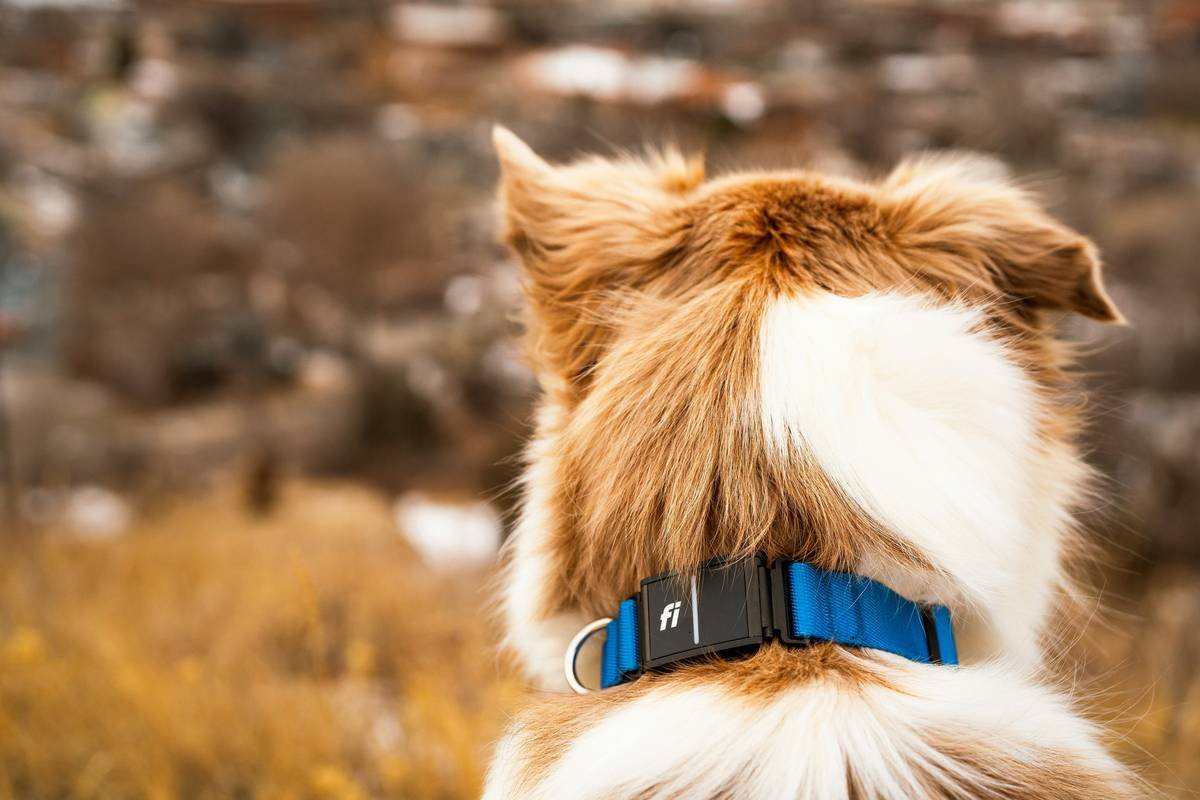
No sci-fi gadget magic here—but close! These tiny, wearable devices measure your pet’s vitals through advanced sensors. Think Fitbit, but tailored for Fluffy.
Optimist You: “Wow, tech really IS solving everything!”
Grumpy Me: “Yeah, yeah, but does it come with Wi-Fi issues? *Sigh.*”
Most monitors work via two primary methods:
- Hydration Sensors: Track moisture levels in saliva or skin.
- Biofeedback Algorithms: Analyze heart rate, activity, and temperature data to predict dehydration risk.
Tech talk aside, these gadgets are game-changers. They send alerts straight to your phone if Fido’s H2O levels drop below safe thresholds. Now THAT’S chef’s kiss for proactive care!
Top Tips for Choosing the Right Monitor
Navigating options feels like drowning in a sea of jargon. Don’t sweat it—I gotchu covered. Here’s your no-nonsense checklist:
Tip #1: Look for Accuracy First
Skip those bargain-bin models unless you want incorrect info clogging up your inbox. Aim for clinically tested accuracy ratings (above 95%) for reliable performance.
Tip #2: Check Compatibility
“Does this thing connect to both iOS AND Android?” If the answer’s no, consider walking away. Seamless connectivity = sanity saved.
Tip #3: Battery Life Matters
Few things are more annoying than charging Yet Another Device™ daily. Opt for at least 7-day battery life so you don’t spend all weekend plugged into outlets.
Bad Tip Alert:
Picking based solely on color schemes? Terrible idea. Sure, neon green might make your Labrador look trendy, but function > aesthetics every time.
Real-Life Examples & Case Studies
Cue success story mode! Sarah K., a busy dog mom from Colorado, shares:
“I never realized how much I underestimated my pup’s hydration needs until I started using a pet hydration monitor. The app flagged low hydration twice last month—it literally kept him out of ER visits.”
Data doesn’t lie either. A recent study showed monitored dogs had a 30% reduction in vet visits related to heatstroke compared to unmonitored peers.
FAQs About Pet Hydration Monitors
Q: How much does a pet hydration monitor cost?
A: Prices range from $50-$200 depending on features. Spend wisely—it’s an investment in health.
Q: Can cats use them too?
A: Yes, many brands offer cat-specific versions designed for smaller frames.
Q: Will it annoy my pet?
A: Most modern designs are lightweight and barely noticeable once attached properly.
Conclusion
So there ya have it—a deep dive into the world of pet hydration monitors. From spotting subtle symptoms to geeking out over sensor tech, staying vigilant about your pet’s hydration has never been easier—or smarter.
Remember: It’s not just about adding another gizmo to your pet’s accessory stash. This is legit life-enhancing gear that keeps tails wagging and hearts thumping.
Before you go, ponder this:
Water trackers beep,
Paws stay cool, joy runs deep.
Health? Always trending.
Keep refreshing like it’s 2004 and Tamagotchis ruled our world. Your pet deserves nothing less!